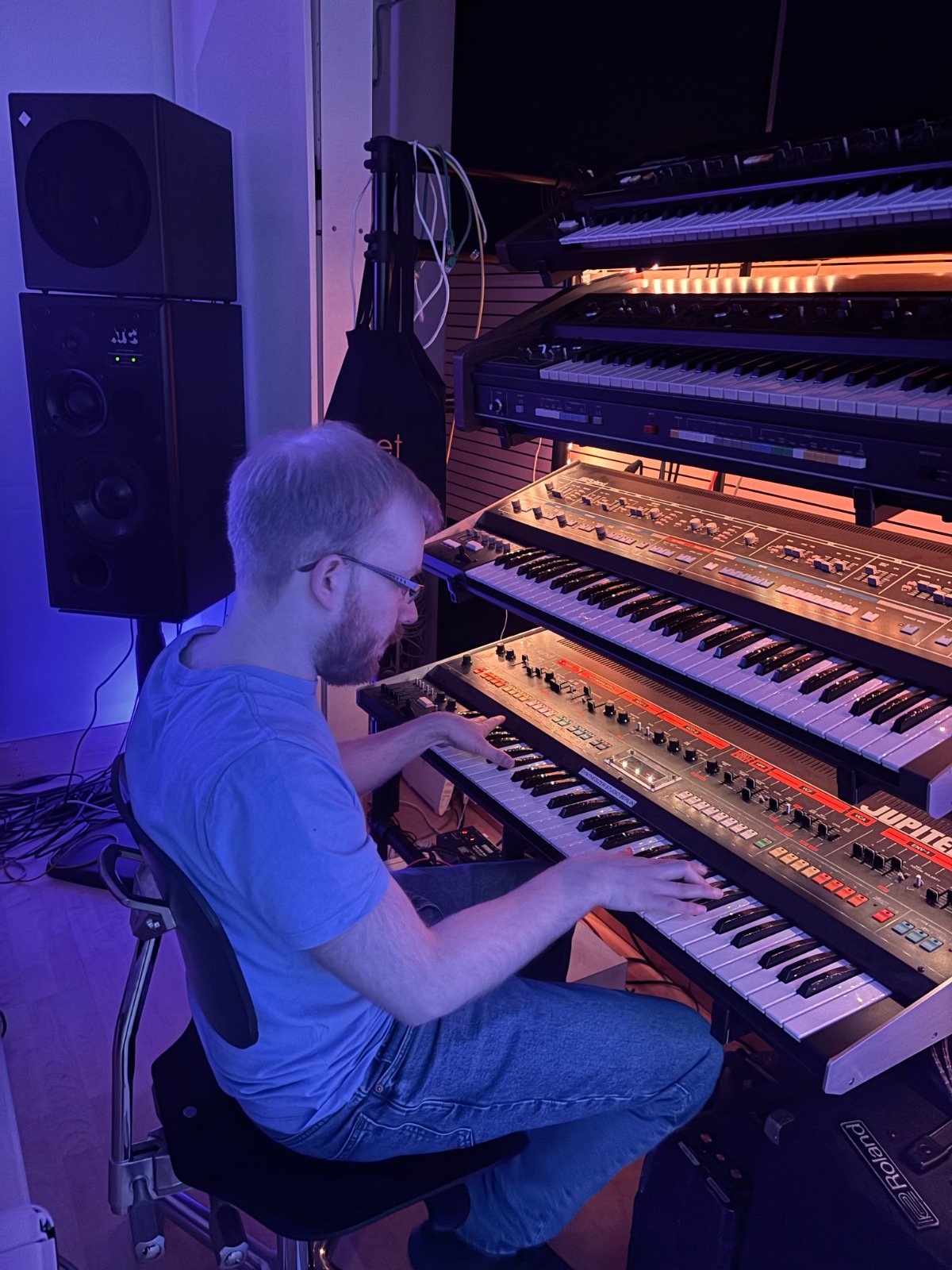
If you’re just starting your journey into synthesis, choosing the right instrument can feel overwhelming. There are countless options—digital, analog, modular, software—but one synth consistently stands out as a powerful, inspiring, and surprisingly approachable starting point: the Behringer Poly D.
This synth manages to bridge the gap between vintage character and modern usability, making it one of the best beginner-friendly analog instruments on the market today.
A True Analog Experience
One of the biggest reasons the Poly D is such a great beginner synth is simple: it’s fully analog.
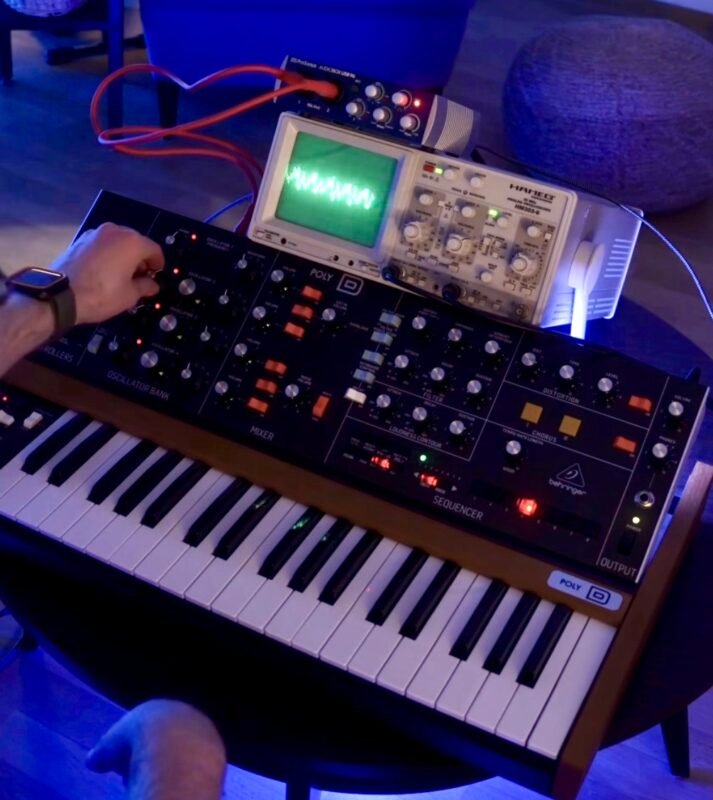
Unlike digital synths that emulate sound, the Poly D uses real analog circuitry with voltage-controlled oscillators and filters. This gives you that warm, organic tone that defined classic records—and more importantly, it teaches you how synthesis actually works at a fundamental level.
For beginners, this hands-on approach is invaluable. Every knob directly affects the sound, so you can hear exactly what you’re doing in real time.
Inspired by a Legend
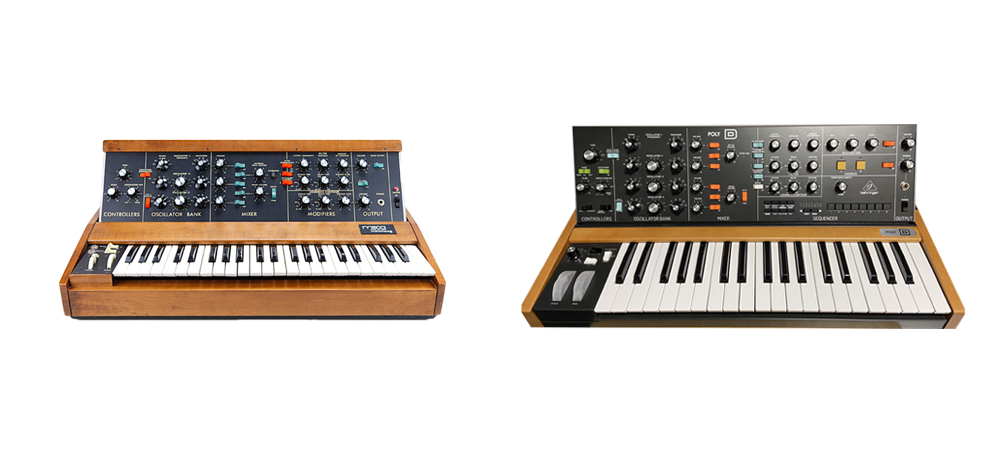
The Poly D is heavily inspired by the iconic Moog Minimoog, one of the first synthesizers to make electronic music widely accessible.
This is a big deal for learning sound design. The Minimoog layout is famous for being:
- Logical
- Immediate
- Easy to understand
The Poly D follows that same philosophy—no menus, no screens, just knobs and switches. That means you’ll spend less time navigating and more time actually creating sounds.
Chords… Kind Of (Paraphonic Design)
Despite the name “Poly,” the Poly D is not truly polyphonic—it’s paraphonic.
What does that mean?
- You can play multiple notes (up to four)
- But they all share the same filter and envelope
This design allows you to play chords, but with a slightly different behavior compared to fully polyphonic synths.
For beginners, this is actually a benefit. It introduces you to chord-based playing without overwhelming complexity—and still keeps the classic mono-synth workflow intact.
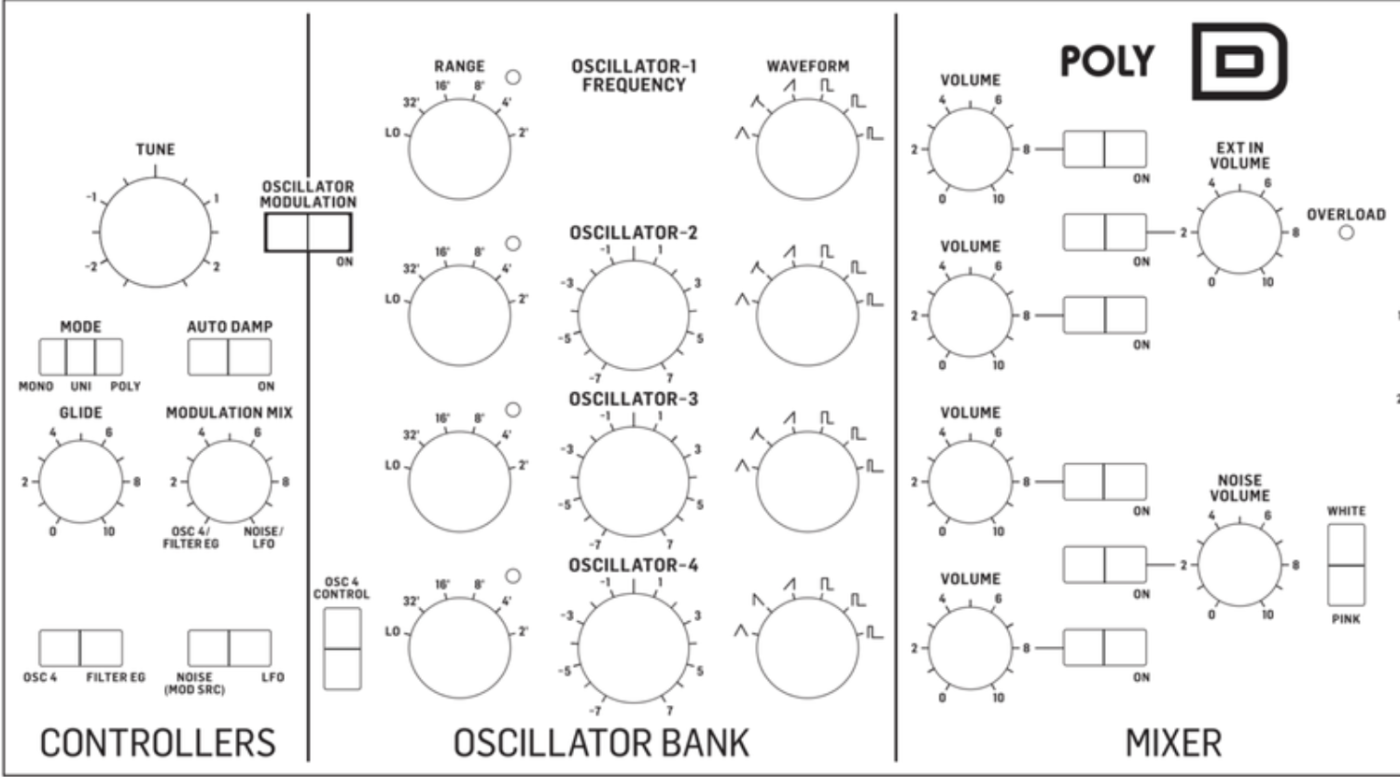
4 Oscillators = 4 Notes
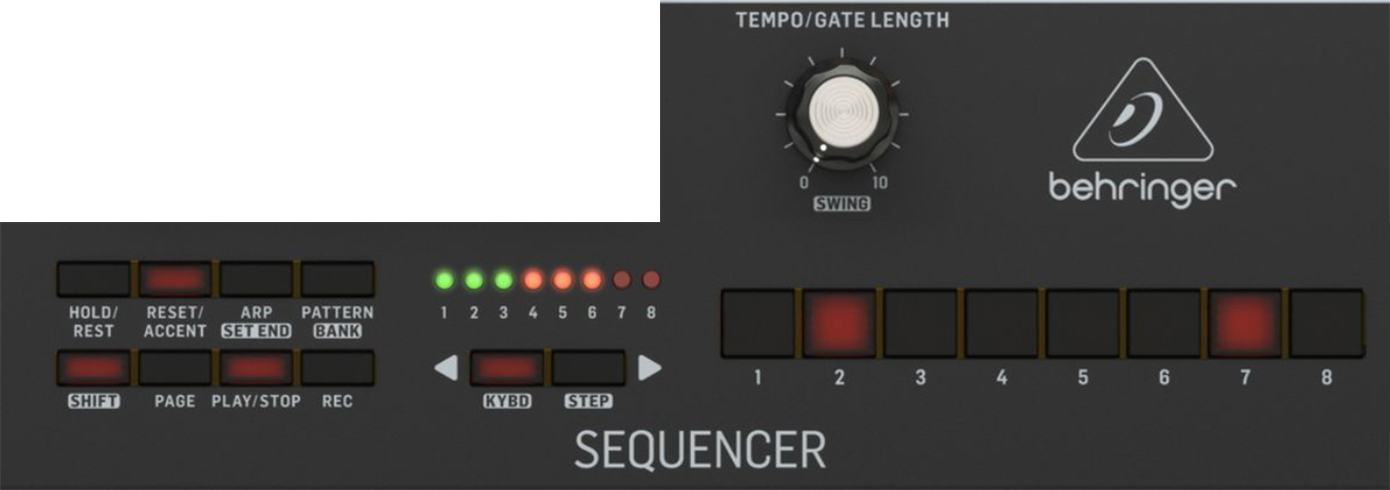
You can set a different waveform for each note in the chord or use the sequencer to create progressions.
Built-In Sequencer for Instant Creativity
The Poly D includes a 32-step sequencer and arpeggiator, which is perfect for beginners experimenting with patterns and rhythms.
You can:
- Create basslines
- Build melodic loops
- Experiment with timing and groove
This makes it easy to start making music right away—even without deep theory knowledge.
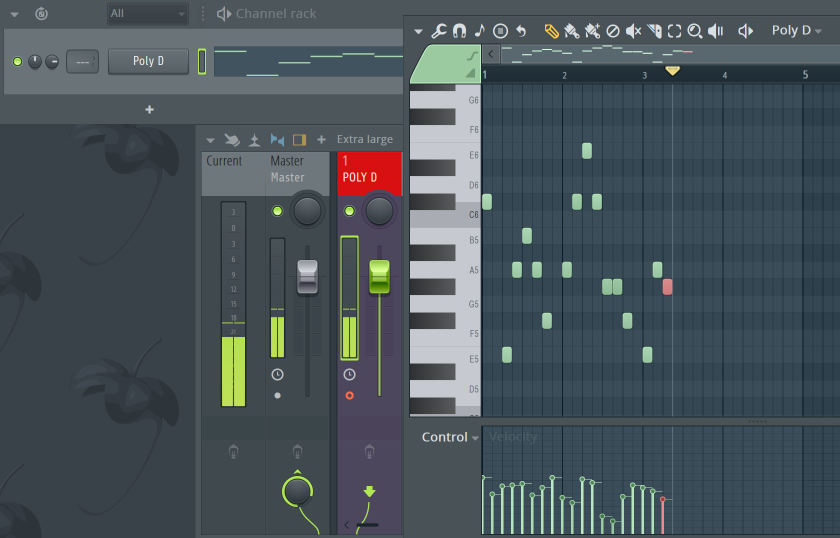
Seamless DAW Integration with MIDI
Even though it’s an analog synth, the Poly D fits perfectly into modern setups thanks to MIDI and USB connectivity.
That means you can:
- Control it from your DAW
- Record MIDI sequences
- Sync it with other gear
Whether you’re using Ableton, FL Studio, or Logic, the Poly D integrates effortlessly.
True Analog Effects Onboard
Another standout feature is the built-in analog distortion and stereo chorus.
These aren’t just add-ons—they’re part of the sound:
- The distortion adds grit and character
- The chorus widens and thickens your tone
For beginners, having effects built-in means you can achieve polished sounds without needing extra gear or plugins.
More Than a Synth: An Analog Effects Unit
The Poly D isn’t just for generating sound—you can also use it as an external analog effects processor.
By routing audio from your DAW or other instruments into the Poly D, you can:
- Add analog warmth
- Use the filter and distortion creatively
- Process digital sounds through real circuitry
This makes it a versatile tool even as your setup grows.
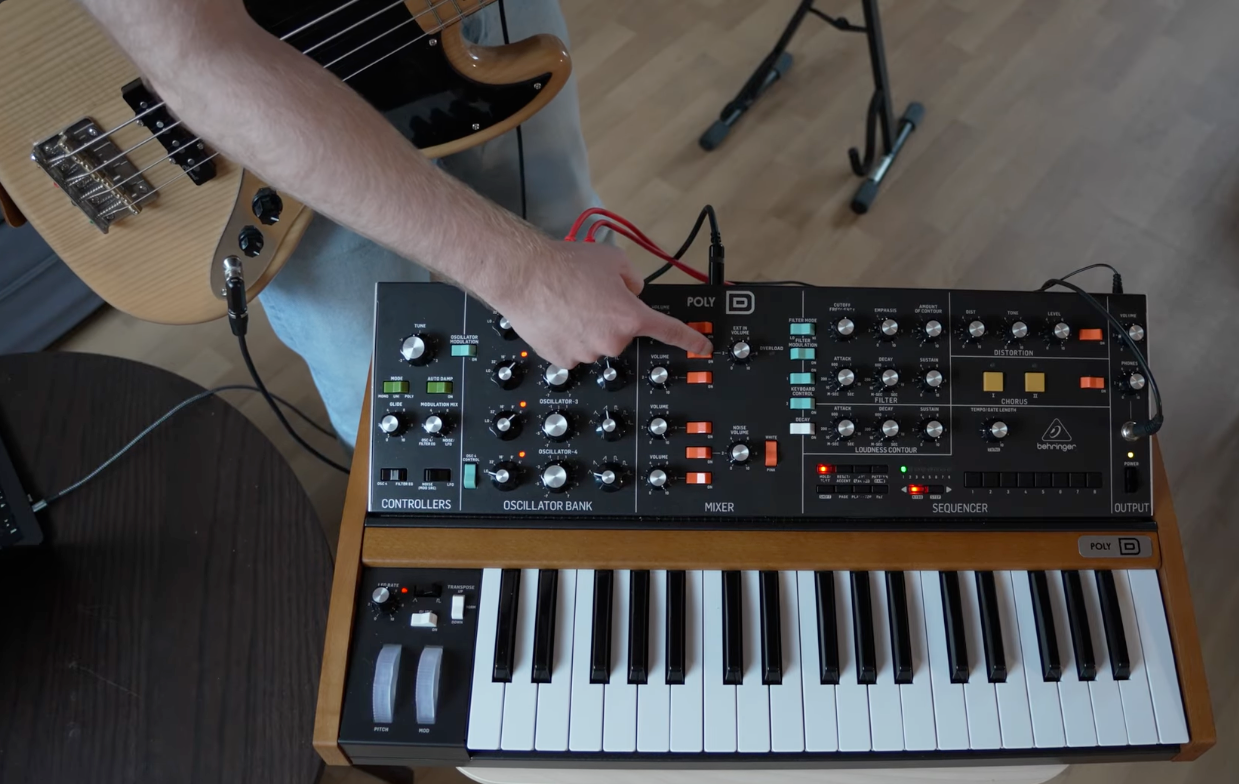
Running a guitar through the Poly D.
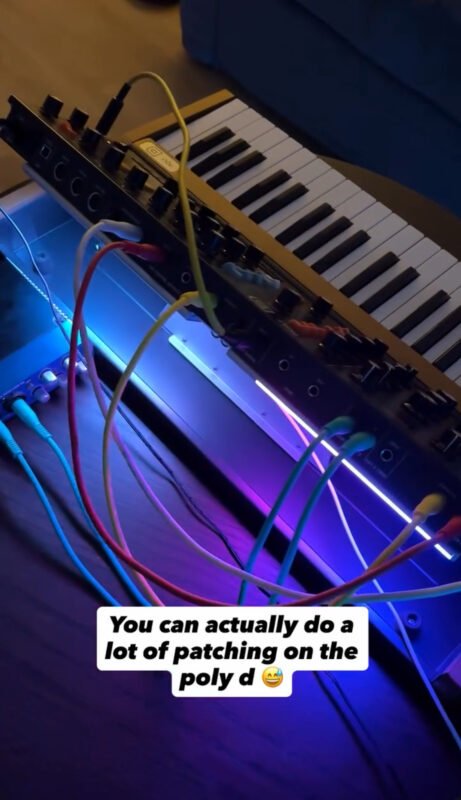
Light Patching Capabilities
While not a full modular synth, the Poly D includes basic patching options, giving you a taste of modular workflow.
This is great for beginners who are curious about:
- Signal routing
- Modulation possibilities
- Expanding their sound design skills
It’s just enough to explore—without becoming overwhelming.
Budget-Friendly Entry into Analog
Perhaps the most compelling reason: the Poly D is budget-friendly for what it offers.
Considering its:
- True analog signal path
- Classic design inspiration
- Built-in effects and sequencer
…it delivers incredible value compared to vintage originals or high-end analog synths, which often cost several times more.
Final Thoughts
The Behringer Poly D hits a rare sweet spot.
It’s powerful but approachable. Vintage but modern. Affordable yet inspiring.
For beginners, it offers everything you need to learn synthesis the right way:
- Hands-on control
- Classic sound architecture
- Enough features to grow with you
If you’re looking for your first serious synth, the Poly D isn’t just a good choice—it might be the best place to start.
See all features:
https://thmn.to/thoprod/478597?offid=1&affid=5244
Watch a free lesson from the Full Behringer Poly D Masterclass
https://synthskool.com/courses/behringer-poly-d-course/